
Last updated:
Peter Island Food and Dining Overview
Peter Island offers a unique dining experience in the Lesser Antilles. This small British territory has a population of just 50 people. The island measures only 5 square kilometers. Despite its tiny size, Peter Island food dining experiences reflect authentic Caribbean flavors. You will find fresh seafood prepared daily. Local chefs use ingredients from nearby islands.
The island sits at coordinates 18.3419, -64.5833 in the Caribbean. Terrance B. Lettsome Airport on Tortola serves as your gateway. The journey takes less than 15 minutes by boat from the airport. English is the official language, making communication simple for most travelers. The local currency is the US Dollar, so no currency exchange is needed.
Peter Island attracts foodies and adventure seekers alike. The island's restaurant scene blends Caribbean traditions with modern techniques. Fresh fish dominates menus throughout the island. Tropical fruits appear in both sweet and savory dishes. You can enjoy meals with ocean views at most dining spots.
Local Food in Peter Island You Must Try
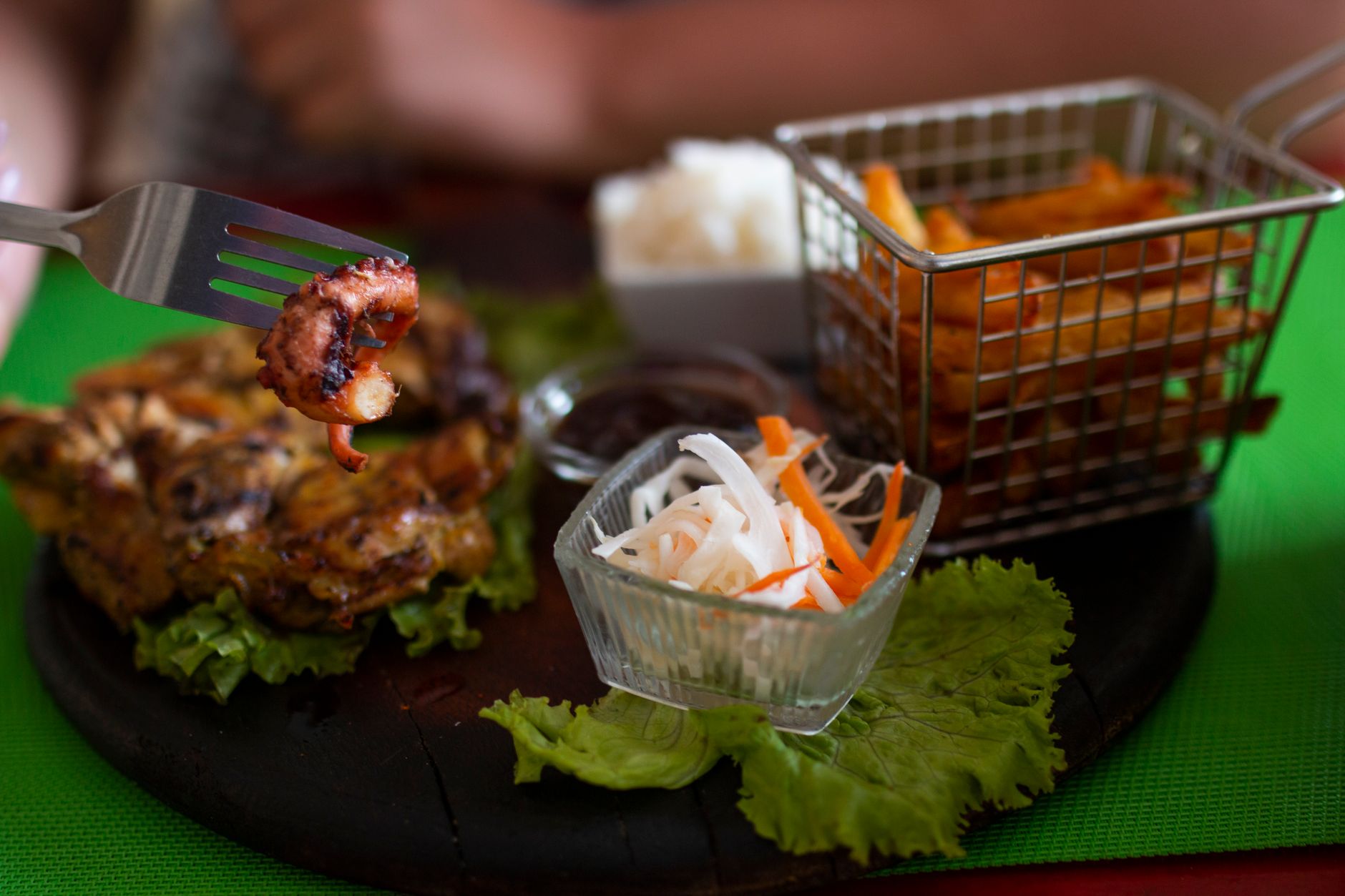
Caribbean conch salad is the signature dish of Peter Island. Fresh conch meat gets mixed with lime juice, tomatoes, and onions. The acid in the lime juice cooks the raw conch. This dish tastes best when you eat it within hours of preparation. Every restaurant serves their own unique version.
Flying fish represents the island's most important protein. Local fishermen catch flying fish in large quantities. Chefs prepare it fried, grilled, or baked. The flesh is delicate and flakes apart easily. Many visitors try flying fish for the first time here.
Callaloo soup appears on many menus during the cooler months. This green leafy vegetable grows throughout the Caribbean. Chefs combine callaloo with coconut milk and spices. The soup has a smooth, creamy texture. A bowl provides warmth and comfort.
Johnny cakes are a beloved breakfast item. These fried cornmeal dumplings are slightly sweet. Locals eat them with cheese or jam. You can find johnny cakes at every market stall. They cost very little and fill you up quickly.
Roti wraps come stuffed with curried vegetables or meat. This Indian influenced dish arrived in the Caribbean generations ago. The thin flatbread wraps around savory fillings. Vegetarian roti options work well for different diets. Street vendors prepare them fresh to order.
Salt fish and dumplings is a traditional breakfast dish. Local fishermen salt and dry the fish for preservation. Dumplings made from cornmeal and flour cook alongside the fish. A light sauce brings the dish together. This meal fueled generations of island workers.
PRO TIP: Visit local markets early in the morning when vendors display the freshest catch. Ask fishmongers what came in overnight. They can recommend the best preparations for that day's fish.
Best Restaurants in Peter Island
Peter Island Resort operates the main restaurant facility on the island. This establishment serves breakfast, lunch, and dinner daily. The restaurant overlooks the beach and offers stunning water views. The kitchen staff sources ingredients from local suppliers when possible. Reservations are recommended, especially during peak season from December through April.
The resort's beachfront setting makes dining here memorable. You can watch sailboats pass while eating your meal. The chef prepares Caribbean dishes with international influence. Fresh seafood features prominently on every menu. Cocktails made with local rum complement the cuisine perfectly.
The restaurant accommodates dietary restrictions with advance notice. Vegetarian plates showcase island vegetables and fruits. The staff speaks English and can answer questions about ingredients. Sunset dining is particularly popular with visitors. The golden light reflecting off the water creates a magical atmosphere.
Since Peter Island has a population of only 50 people, dining options remain limited. The resort restaurant is the primary dining venue on the island. Most visitors arrange meals through their accommodation. Small guesthouses often prepare meals for their visitors. Cooking classes teach guests to prepare simple Caribbean dishes.
The closest significant dining district is on Tortola, just 15 minutes away by boat. Terrance B. Lettsome Airport connects to Tortola easily. Many visitors take day trips to explore other restaurants. The short boat ride gives you dining flexibility during your stay.
PRO TIP: Book restaurant reservations before arriving on the island. Cell service is limited, and the island has few dining options. Confirm reservations through your hotel concierge or the Peter Island Resort directly.
Fine Dining in Peter Island
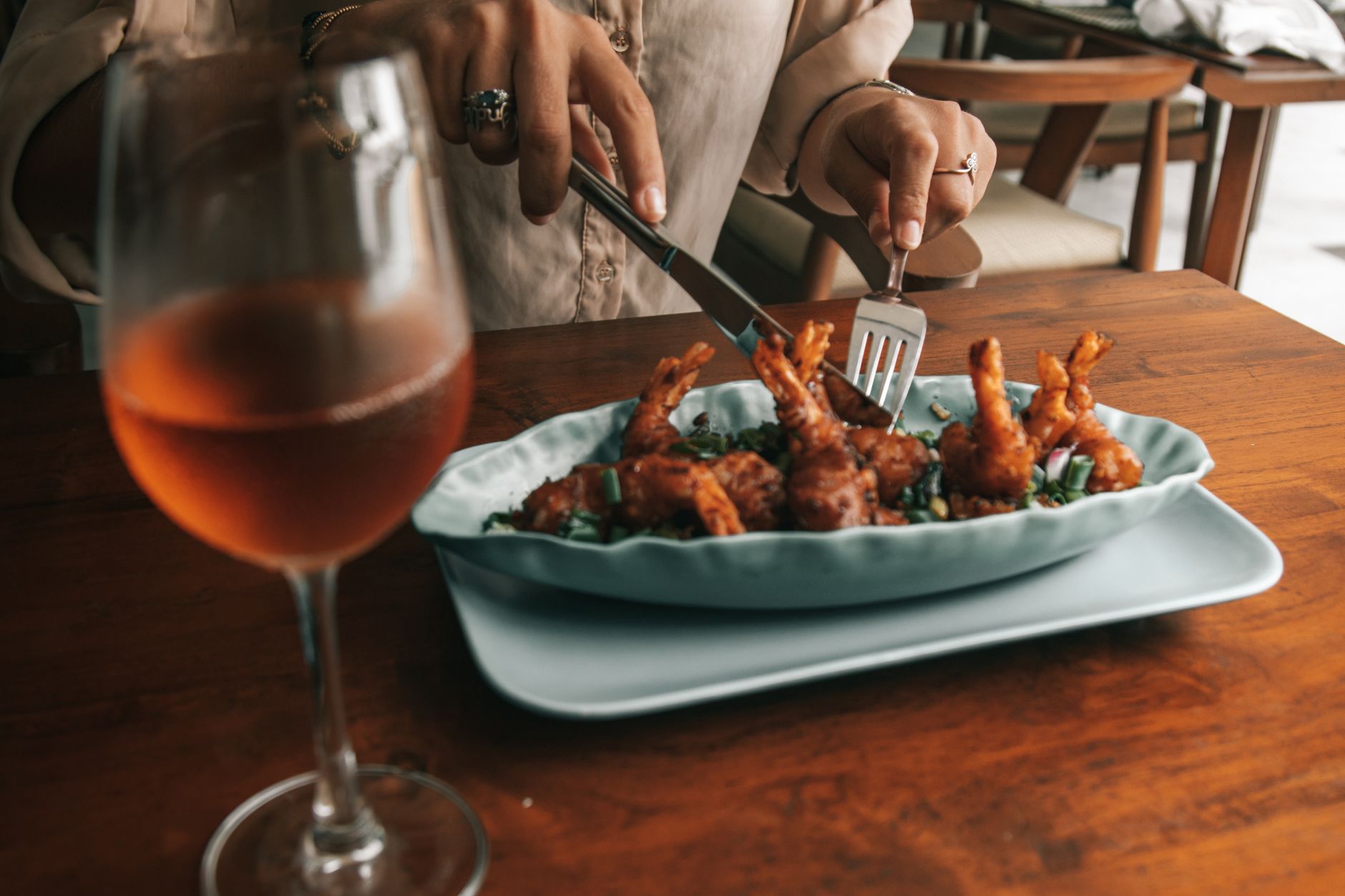
Peter Island Resort's fine dining restaurant offers the island's most upscale experience. The setting combines island elegance with relaxed Caribbean charm. White tablecloths and candlelit tables create romantic ambiance. The chef prepares tasting menus featuring seasonal ingredients. Wine selections focus on Caribbean and South American labels.
The kitchen team understands classical French techniques alongside Caribbean traditions. Each plate arrives thoughtfully plated and visually stunning. The tasting menu changes based on what local fishermen catch. Diners experience creativity and freshness in every course. The experience typically lasts two to three hours.
Seafood dominates the fine dining menu completely. The chef sources lobster, mahi mahi, and grouper from local waters. Tropical fruits appear in unexpected ways on your plate. Coconut milk and island spices add depth to sauces. Each dish tells a story about Caribbean culinary heritage.
The service team provides attentive yet unobtrusive attention. Staff members can explain each course and pairing suggestions. They understand special occasions and accommodate romantic requests. The atmosphere remains warm and welcoming despite the formal setting. Dinner on the beach is available for special events.
Fine dining on Peter Island requires advance planning and reservations. The restaurant accommodates a limited number of diners nightly. Dress code is smart casual or better. The meal experience focuses on quality over quantity. Plan to spend several hours enjoying the experience.
Budget Eating in Peter Island
Johnny cakes and local breads offer affordable breakfast options. Market vendors sell fresh johnny cakes early each morning. You can buy several for just a few dollars. Pair them with local cheese or jam for a complete meal. Coffee and fresh juice complete an inexpensive breakfast.
Local markets sell fresh tropical fruits at excellent prices. Mangoes, papayas, and bananas cost very little during peak season. The best buying months are December through April. Fruits provide nutrition and help you stay hydrated. Eat them fresh or bring them back to your accommodation.
Roti wraps with vegetarian fillings are the cheapest prepared meals. Street vendors make them fresh daily. A single roti provides substantial filling food. Ask for extra vegetables to stretch your budget further. The cost typically runs just a few dollars.
Since Peter Island has limited dining, consider self catering if possible. Book accommodation with kitchen facilities. Visit Tortola's markets for grocery shopping before returning. This approach saves significant money over several days. Cooking in your room also lets you eat on your schedule.
Fish cakes sold at market stalls make perfect snacks. These fried cornmeal patties with salted fish inside cost very little. Vendors sell them from small wooden stands. They taste best eaten immediately while still warm. Perfect for quick lunch or afternoon snack.
Ask locals for recommendations on where to eat well for less. Island residents know the best value options. They can direct you to family run spots that serve generous portions. Building relationships with locals enhances your entire trip experience. Many locals are happy to share dining suggestions.
PRO TIP: Pack snacks from your home country for backup meals. Limited options on the 5 square kilometer island mean planning ahead. Granola bars, nuts, and dried fruit provide emergency nutrition. Store them in your room for easy access between meals.
Street Food and Local Markets
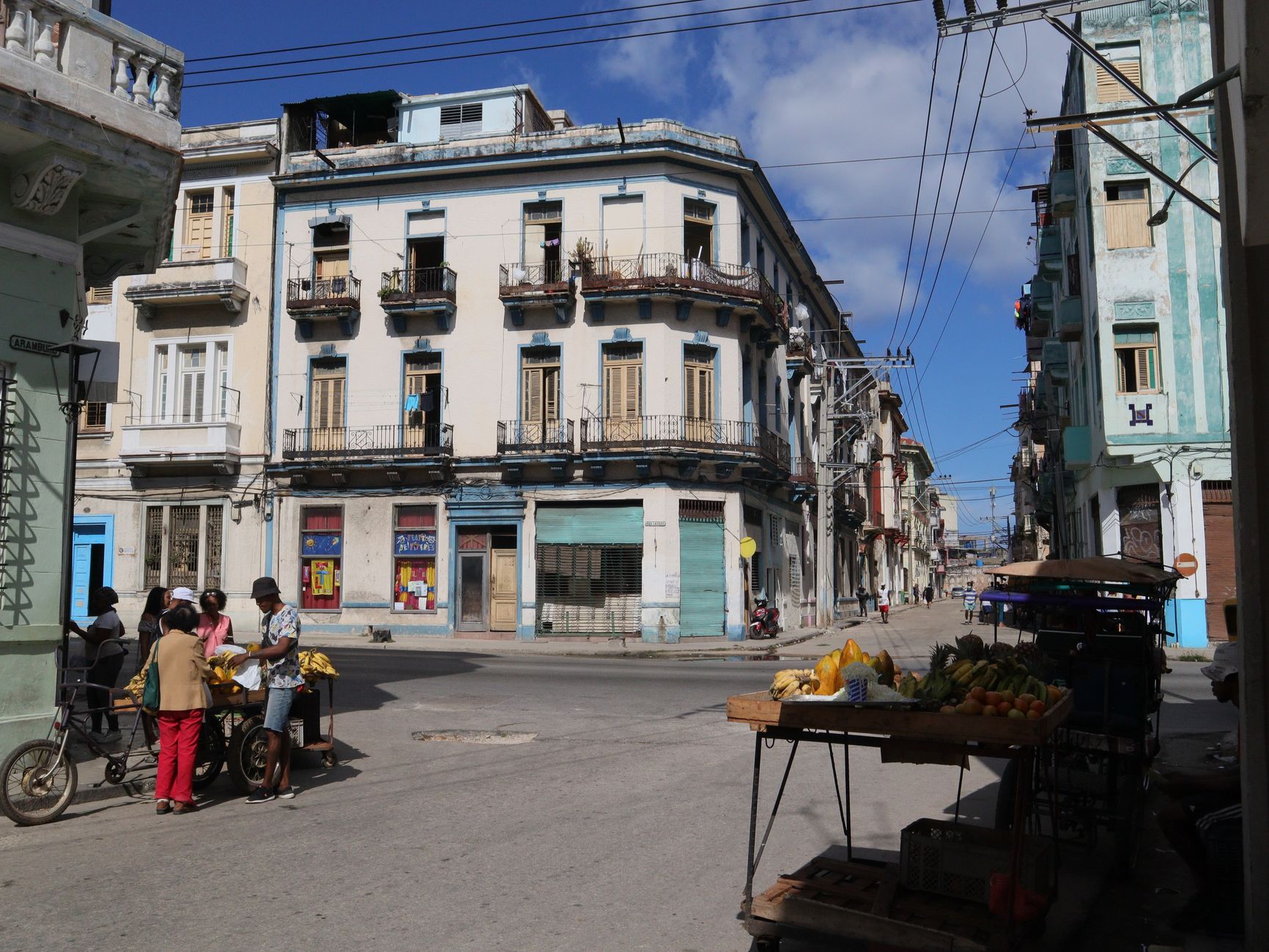
Peter Island's small population means limited street food vendors. However, local markets offer genuine island flavors. Markets operate primarily in early morning hours. Fishermen arrive with their overnight catch. Vendors arrange fresh produce and prepared foods.
Fresh fish is king at Peter Island markets. The previous night's catch arrives early morning. Vendors clean fish and prepare portions to order. You can request specific cuts or whole fish. Prices are negotiable, especially for larger quantities.
Local women prepare hot foods at the market early morning. These include johnny cakes, fried fish, and callaloo. The smell of frying food fills the market. Arrive hungry and come prepared to eat immediately. Most cooked foods disappear by mid morning.
Coconut bread and spiced buns are popular baked goods. Small bakeries produce these items fresh daily. The coconut bread stays moist for several days. Spiced buns contain raisins and warming spices. Both pair well with morning coffee.
Tropical fruits sell in abundance during the best months. December through April brings peak fruit season. Mangoes, avocados, and papayas pile high at vendor stalls. Prices drop as the day goes on. Buy in the late afternoon for the best deals.
Ground provisions like yams, cassava, and sweet potatoes appear regularly. These starchy vegetables form the basis of island cooking. Vendors often have samples prepared if you ask. Try them before buying to ensure quality. These foods store well if you plan to cook.
Spice vendors sell fresh herbs and dried seasonings. Cilantro, thyme, and island peppers are readily available. The quality surpasses supermarket versions significantly. Ask vendors to recommend herbs for specific dishes. They enjoy sharing cooking knowledge with visitors.
Food Allergies and Dietary Needs
Communicate dietary restrictions well in advance to restaurant staff. The Peter Island Resort kitchen can accommodate most allergies. Give at least 24 hours notice for special preparations. English language communication makes explaining needs straightforward. Staff members take allergy concerns seriously.
Seafood allergies require careful planning on Peter Island. Fish dominates the local diet and menu offerings. Cross contamination in kitchens is possible. Inform staff immediately and explicitly about seafood allergies. Ask about preparation methods and separate cooking equipment.
Vegetarian dining works well on Peter Island. Fresh tropical fruits and vegetables are abundant. The kitchen can prepare plant based meals with advance notice. Local markets sell fresh greens, beans, and roots daily. Coconut milk provides richness in vegetarian dishes.
Vegan options require more coordination but are possible. The resort kitchen works with vegan travelers regularly. Tropical fruits, beans, and rice form the meal base. Avoid dishes with coconut milk if you need strict vegan meals. Confirm all ingredients before eating.
Gluten free travelers should bring some specialty foods from home. The island has limited gluten free product availability. The kitchen can prepare naturally gluten free meals. Fish with vegetables and rice work well. Confirm all sauces and preparations contain no gluten.
Lactose intolerance is manageable on Peter Island. Many Caribbean dishes use coconut milk instead of dairy. Confirm that dishes use coconut milk rather than cream. Fresh fish and vegetables are naturally dairy free. The kitchen staff understands lactose concerns.
Nut allergies need immediate communication to restaurant staff. Some Caribbean dishes use nuts in sauces. Cross contamination may occur in small kitchens. Always mention nut allergies multiple times. Ask about every ingredient in prepared dishes.
PRO TIP: Pack prescription medications and specialty allergy foods from home. The island's 50 person population means no pharmacies exist. Bring enough supplies for your entire trip plus extras. Store medications in cool, dry places during the hot Caribbean climate.
Frequently Asked Questions

What Is the Best Time To Visit Peter Island for Food and Dining?
December through April represents the best months for your trip. During these months, the temperature averages a pleasant 28°C. The dry season brings calm seas and perfect beach weather. Fresh seafood is abundant as fishing season peaks. Tropical fruit production is at its highest. Tourism season brings more restaurant activity and menu variety. The island experiences less rain during these months. Pack light clothes and sunscreen for comfortable dining outside. Consider booking accommodations early since demand is highest from December to April.
Do I Need a Visa To Visit Peter Island?
Most nationalities do not need a visa for Peter Island. The island is a British territory with open entry policies. Your passport must be valid for the duration of your stay. US citizens, Canadians, and most Europeans qualify for visa free entry. Citizens of Commonwealth countries also enter without visas. Check with your local British embassy before traveling if you're unsure. Entry requirements rarely change but it's smart to verify. The short visa free allowance typically lasts 30 days. If you need to stay longer, contact immigration authorities in advance.
What Currency Should I Bring To Peter Island?
The US Dollar is the official currency of Peter Island. Credit cards are accepted at the main resort and better restaurants. Bring both cash and cards for maximum flexibility. Small vendors and markets prefer cash payments. ATMs are not available on the island itself. Withdraw cash from Terrance B. Lettsome Airport before arriving. Some restaurants may add service charges to credit card transactions. Exchange rates favor using US dollars directly rather than converting currencies. Notify your bank before traveling to prevent card blocks. Tip restaurant staff with cash for better service.
How Do I Get To Restaurants on Peter Island From the Airport?
Terrance B. Lettsome Airport on Tortola is the nearest airport. The distance from the airport to Peter Island is about 15 minutes by boat. Your accommodation will arrange boat transfers to the island. Water taxis operate regularly between Tortola and Peter Island. Coordinate timing with your restaurant reservations. Plan arrival at least two hours before your dining reservation. The boat ride offers beautiful Caribbean views. Bring motion sickness medication if you're prone to seasickness. Water conditions are generally calm during the best travel months from December to April.
Can I Find Vegetarian and Vegan Food Options on Peter Island?
Vegetarian options are available with advance notice to restaurants. The Peter Island Resort kitchen accommodates plant based diets. Fresh tropical fruits and vegetables are abundant on the island. Local markets sell fresh greens, beans, and root vegetables daily. Coconut milk provides richness in vegetarian preparations. Vegan options require more advance coordination but are possible. Inform the resort at least 24 hours before your arrival. The kitchen can prepare rice and vegetable dishes. Confirm that sauces contain no animal products. Bring protein supplements if you follow strict vegan diets. Many restaurants are happy to work with dietary requirements when given proper notice.