
Last updated:
Getting To Peter Island First
Peter Island sits in the Lesser Antilles within the British Virgin Islands. You cannot fly directly to Peter Island. Instead, you land at Terrance B. Lettsome Airport on Beef Island. This airport serves the entire BVI region. The flight from Miami takes about two hours. Flights from San Juan, Puerto Rico take roughly ninety minutes.
Once you land, you need a ferry to reach Peter Island. The island lies about seven kilometers from Beef Island. Private boat transfers operate from the main airport terminal. These transfers take about twenty to thirty minutes. You can also arrange water taxi services through your accommodation. Most visitors use their hotel's private ferry service.
Car Rental in Peter Island

Peter Island has very limited car rental options because the island is so small. Only fifty people live here year round. The island measures just five square kilometers total. You will not find traditional car rental companies with fleets of vehicles. Your accommodation can arrange car rentals through special requests. Most resorts contact mainland rental companies in Tortola or Virgin Gorda.
If you need a car, book well in advance with your hotel. They connect you with reliable vendors on nearby islands. Rental rates vary but expect standard BVI island pricing. You need a valid driver's license from your home country. An International Driving Permit helps but is not always required. The island uses left side driving like the UK. Roads are narrow and winding on Peter Island.
Most visitors skip car rentals entirely. The island is too small to justify renting a vehicle. Walking covers most areas within thirty minutes. Your resort handles all essential transportation needs. Boats transport you to nearby islands and attractions.
PRO TIP: Skip the car rental on Peter Island. The island is only 5 km² and walking takes you everywhere. Save money and enjoy the peaceful, traffic free experience. Use your hotel's boat service for getting to other islands.
Taxis in Peter Island
Traditional taxi services do not operate on Peter Island. The population is too small to support a taxi fleet. Instead, your hotel arranges all ground transportation needs. This system works perfectly because the island is tiny. Every visitor stays at one of the few resorts on the island. Your accommodation provides complimentary transfers from the ferry dock.
The Peter Island Resort operates shuttle services for guests. They pick you up at the ferry terminal and bring you to the property. Return trips to the ferry follow the same routine. No meter taxis cruise the roads looking for fares. Water taxis connect Peter Island to nearby islands like Tortola and Virgin Gorda. Book these through your hotel concierge desk.
For travel beyond Peter Island, your hotel makes arrangements. They coordinate with licensed water taxi operators in Tortola. Rates depend on destination and distance traveled. The concierge provides current pricing and schedules. Most trips to Tortola cost between thirty and fifty dollars per person. Group rates apply for larger parties.
Public Transport Options
Peter Island does not have public buses, minibuses, or shared transportation. The island's fifty residents do not require public transit systems. This is typical for ultra small private islands in the BVI. Your resort provides all necessary transport within the property. You access neighboring islands through ferry and water taxi services.
The primary "public" transport is the water ferry system. Ferry boats run between Peter Island and Tortola regularly. Schedules vary by season and demand. Check with your hotel for current ferry times. These ferries carry tourists and occasional local residents. Prices are reasonable for Caribbean standards. Most ferry trips cost between ten and twenty dollars.
Virgin Gorda can be reached by water taxi in forty minutes. Jost Van Dyke requires a longer boat journey of about one hour. These neighboring islands have more developed public transportation. You can catch minibuses on Virgin Gorda and Tortola. These shared vans move around the island picking up passengers. Minibus fares cost just a few dollars. They are the cheapest way to explore nearby islands.
PRO TIP: Book your water taxi trips the day before through your hotel. This ensures availability and helps drivers plan their routes. Water taxis fill up quickly during peak season from December to April. Early booking guarantees your spot.
Getting Around Peter Island on a Budget
Peter Island has limited budget accommodation options. Most lodging consists of upscale resorts. Budget travelers face higher costs here than other Caribbean islands. However, you can still travel affordably by planning strategically. Walking is completely free and covers the entire island. Your feet are your cheapest transportation method.
Many resorts include boat transfers in their rates. This means you pay nothing extra for ferry access. Compare total resort costs when booking. Sometimes all inclusive properties offer better value than budget properties with hidden transport charges. Eat meals at your accommodation rather than seeking food-restaurants. The island has very limited dining options outside resorts anyway.
Water taxis to neighboring islands represent your biggest transport expense. Budget fifty to one hundred dollars daily for inter island travel. Stay on Peter Island for several days to minimize boat trips. Group your island hopping into one or two days. This reduces ferry costs through multiple journeys. Bring snorkel gear to enjoy free water activities. Peter Island offers excellent diving and snorkeling from the beach.
Pack light to avoid luggage fees on water taxis. Some operators charge per bag. One backpack per person keeps costs down. Bring plenty of cash in US dollars. ATMs are scarce on the island. You will not use credit cards easily on Peter Island. Paying cash in advance avoids surprise fees and currency charges.
Driving in Peter Island: What To Know

If you arrange a car rental, you must understand local driving rules. Peter Island uses left side driving like Britain. Americans and others from right side countries need adjustment time. Roads are narrow, winding, and poorly marked. Potholes appear frequently after rainy season. Driving requires careful attention and slow speeds. Speed limits are low, typically fifteen to twenty miles per hour.
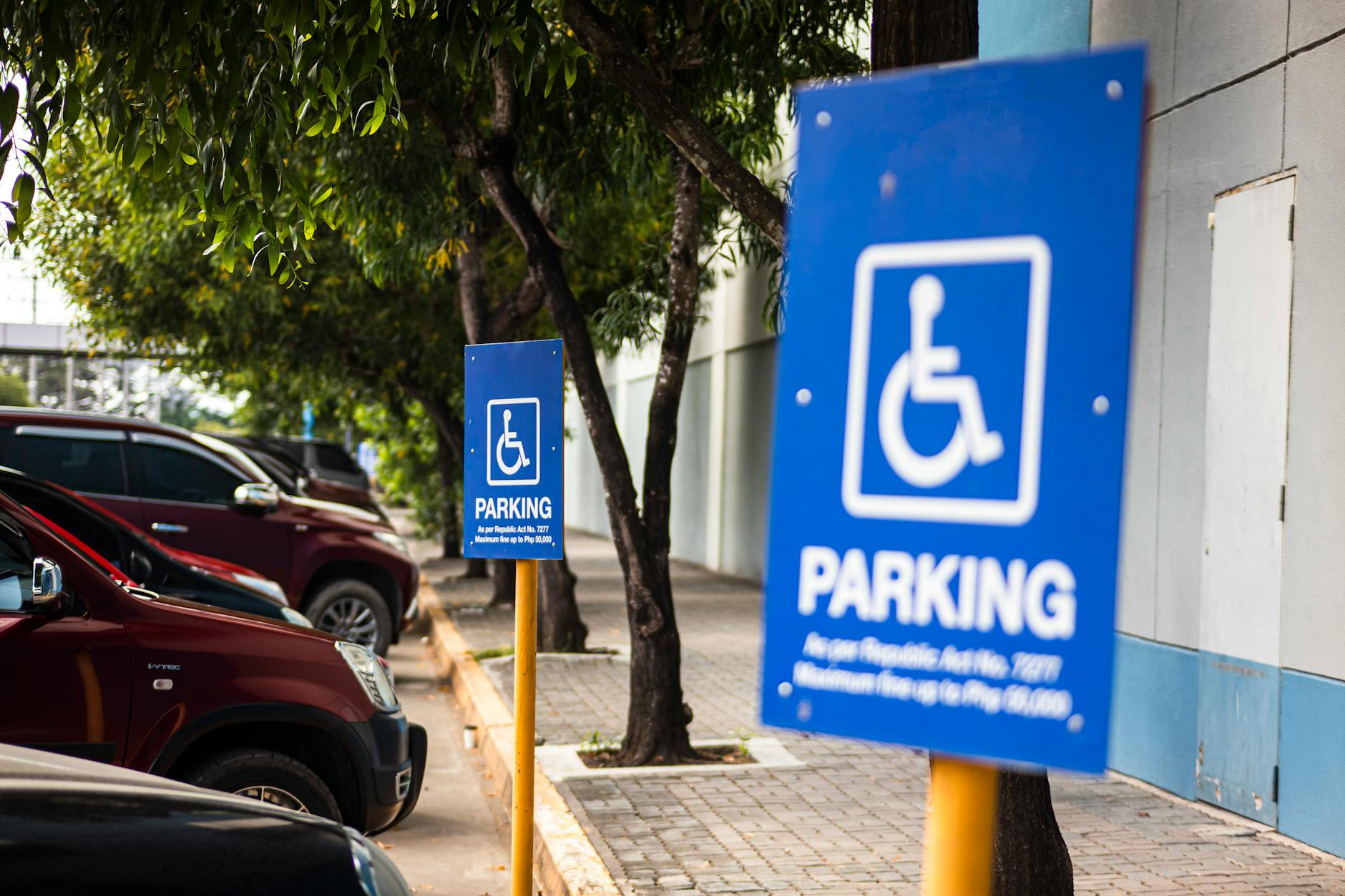
Parking on Peter Island is straightforward because of the low traffic volume. Your resort provides parking near your accommodation. Beachfront parking exists at several main locations. No parking meters or fees apply on Peter Island. Simply park in designated areas near attractions. Always ask your hotel where parking is permitted.
Fuel is available on nearby Tortola rather than Peter Island. Fill your rental car before arriving if possible. Petrol stations operate in Road Town on Tortola. Fuel costs are higher than North America due to island location. Budget accordingly for multiple days of driving. Keep your International Driving Permit with your license always. Police do conduct routine traffic stops occasionally.
Driving after dark is not recommended. Street lights are minimal on Peter Island. Wildlife appears on roads at night including wild goats. Without proper lighting, night driving becomes hazardous. Plan your activities to finish before sunset. Travel between islands during daylight hours only. This keeps everyone safe and allows you to enjoy scenery properly.
PRO TIP: Rent a car only if you plan to explore multiple BVI islands intensively. For Peter Island alone, walking and hotel transportation suffice. Renting adds expense without real benefit on such a small island. Save your money for activities like scuba diving and boat tours.
Scooter and Bike Rental
Scooter rentals are uncommon on Peter Island but possible through special arrangement. Contact your hotel ahead of arrival to arrange scooter delivery. Mainland rental companies can transport scooters to the island. This takes advance planning and coordination. Expect higher costs than on larger islands due to transport fees.
Bicycles offer a practical alternative to scooters on Peter Island. The terrain is hilly but manageable for casual biking. Your resort may have bicycles available for guest use. Some accommodations include bikes free with booking. Others charge daily rental fees ranging from ten to twenty dollars. Check with your specific hotel before arrival.
Roads are adequate for biking despite narrow widths and winding routes. Traffic is minimal so safety is good. Wear helmets regardless of local practices. Bring a water bottle because heat and humidity cause rapid dehydration. The island has few water fountains or convenience shops. Plan routes to return before dark.
For scooter operation, you need a valid motorcycle license from your home country. Helmets are legally required in the British Virgin Islands. Most scooters seat two people maximum. Fuel consumption is excellent compared to cars. Scooters cost less to rent than cars. However, they offer less protection and storage space.
Mountain biking is not recommended on Peter Island. Terrain is too steep and roads too narrow. Standard bicycles work fine for casual riding. Ride slowly and watch for other travelers. Goats and chickens roam freely and may cross your path. Be prepared to stop suddenly.
Frequently Asked Questions

Can I Fly Directly To Peter Island?
No, there is no airport on Peter Island. You must fly into Terrance B. Lettsome Airport on Beef Island instead. This airport serves all of the British Virgin Islands. From there, you take a twenty to thirty minute water ferry to Peter Island. Your hotel arranges this transfer as part of your booking. The ferry ride offers beautiful ocean views of the Lesser Antilles.
Do I Need a Car on Peter Island?
No, a car is not necessary on Peter Island. The island measures only five square kilometers and has a population of fifty people. Walking covers every location within thirty minutes. Your resort provides free shuttle service between the ferry dock and accommodations. Water taxis handle trips to neighboring islands. Skipping a car rental saves money and lets you enjoy the peaceful island atmosphere without traffic.
What Is the Best Way To Explore Nearby Islands?
Water taxis and ferries are your only options for inter island travel. Book trips through your hotel concierge desk. Ferry schedules run regularly between Peter Island and Tortola. Virgin Gorda is accessible by water taxi in forty minutes. Jost Van Dyke takes about an hour by boat. Prices vary from ten to fifty dollars depending on destination. Book your trips the day before to ensure availability during busy season.
Is There Public Transportation on Peter Island?
Peter Island has no public buses, minibuses, or shared taxis. The tiny population and small size make traditional public transit unnecessary. Your accommodation provides all ground transportation through shuttle service. Water ferries connecting to neighboring islands serve as the main "public" transport option. These ferries cost between ten and twenty dollars per trip and operate on regular schedules throughout the day.
What Should I Bring for Getting Around Peter Island?
Bring comfortable walking shoes because you will explore on foot extensively. Pack a water bottle to stay hydrated in the twenty eight degree Celsius heat. Sunscreen protects skin during outdoor activities and ferry rides. Bring cash in US dollars because ATMs are scarce. A valid driver's license helps if you arrange a car rental. Lightweight luggage with wheels makes ferry travel easier. Snorkel gear is useful since diving and snorkeling are popular activities.
PRO TIP: Pack your luggage carefully for water ferry travel. Bags get wet from ocean spray on open boats. Waterproof bags or dry bags protect your belongings. Keep valuable items in a waterproof pouch. Wear sandals or water shoes for ferry boarding. Bring a change of clothes for after the journey.
Final Thoughts on Peter Island Parking and Transport
Getting around Peter Island requires a completely different mindset than larger Caribbean destinations. The island is simply too small for traditional transportation infrastructure. Parking transport solutions revolve around your resort and water ferries. This limitation actually enhances the Peter Island experience by keeping the island peaceful and unspoiled.
Plan your arrival carefully through Terrance B. Lettsome Airport. Allow extra time for ferry connections. Your hotel handles virtually all logistics once you book. Communication with your accommodation before arrival prevents surprises. Confirm ferry schedules and any special transport needs weeks ahead.
The best transport strategy is staying multiple days on Peter Island itself. Minimize inter island trips to reduce ferry costs and travel time. Use your resort's amenities fully. Enjoy the small island atmosphere that makes Peter Island special. The lack of cars and tourists makes the island a true escape destination. This is exactly what most visitors seek when choosing Peter Island over busier Caribbean islands.